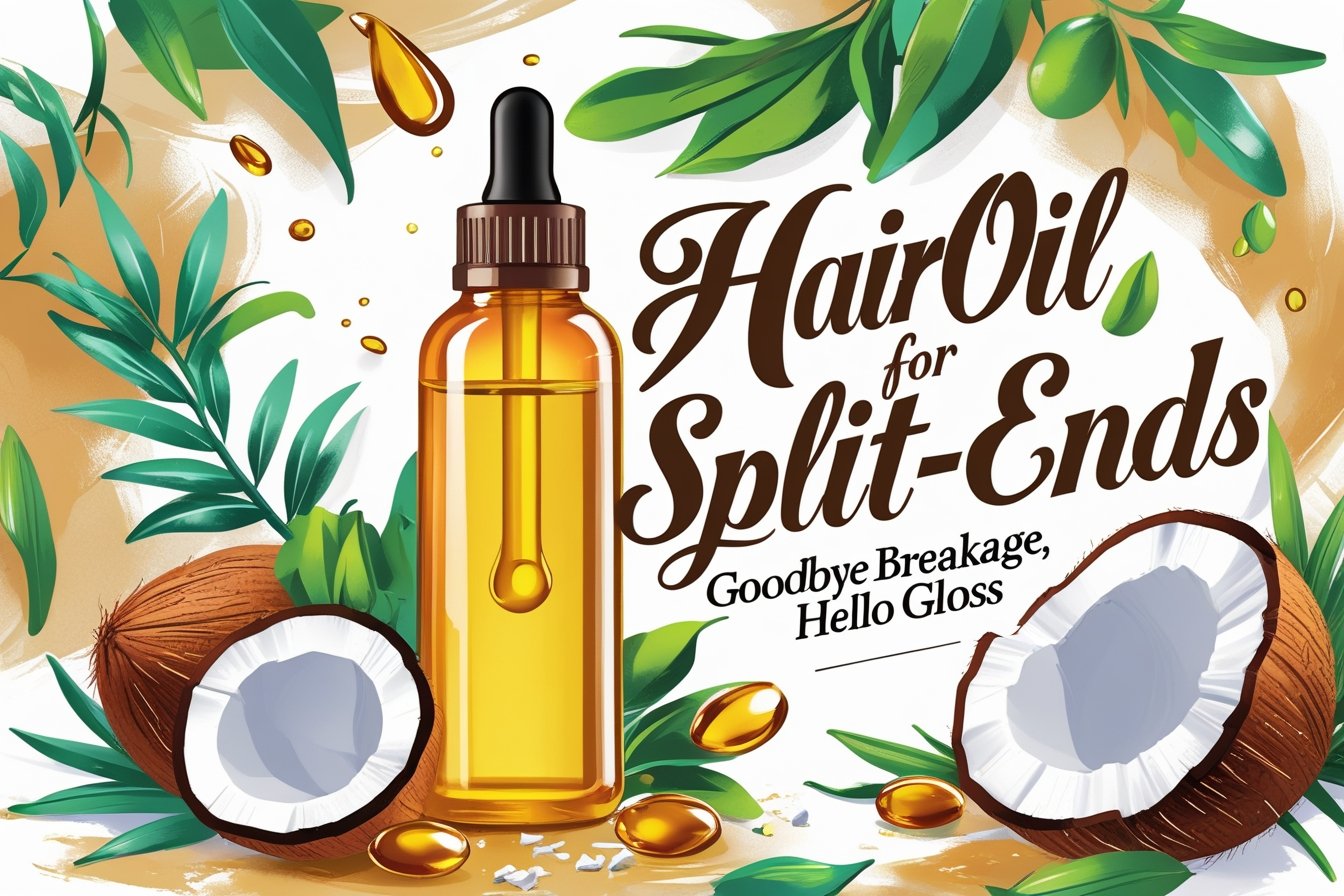
Are you tired of watching your hair dreams literally split apart at the ends, leaving you with dull, lifeless strands instead of the glossy mane you’ve always wanted? The secret to transforming damaged hair into a lustrous masterpiece lies in understanding how hair oil for split-ends works at the molecular level to repair, protect, and restore your hair’s natural brilliance.
The Science Behind Split-End Formation and Oil Intervention:
Understanding why split-ends occur helps explain how specific oils can interrupt this destructive process and restore hair integrity. Hair damage begins when the protective cuticle layer becomes compromised, exposing the inner cortex to environmental stressors.
Molecular Mechanisms of Hair Damage:
Hair strands consist of overlapping cuticle scales that protect the internal structure. When these scales lift or break away, the hair shaft becomes vulnerable to splitting. This process accelerates due to:
- Heat styling tools that dehydrate hair fibers
- Chemical treatments that weaken protein bonds
- Environmental factors like UV exposure and pollution
- Mechanical stress from brushing and styling
- Nutritional deficiencies that affect hair structure
Hair oils work by filling gaps in damaged cuticles, creating protective barriers that prevent further deterioration while providing essential nutrients for repair.
How Different Oils Reach Hair’s Core:
Not all hair oils penetrate equally deep into hair strands. Understanding oil molecular size and structure determines which products deliver maximum split-end repair benefits.
Small Molecule Champions:
Coconut oil leads the penetration category due to its small molecular structure, allowing it to reach the hair cortex where true repair occurs. Its lauric acid content specifically targets protein loss prevention, making it exceptionally effective for split-end treatment.
Argan oil follows closely, with its unique fatty acid profile enabling both surface coating and internal nourishment. The oil’s vitamin E content provides antioxidant protection against future damage while current repair processes unfold.
Large Molecule Protectors:
Castor oil, despite its heavier molecular weight, excels at surface protection and breakage prevention. Its ricinoleic acid content strengthens hair shafts while creating protective films that lock in moisture and prevent environmental damage.
Jojoba oil, technically a wax ester, mimics natural sebum production, creating ideal conditions for hair gloss development while maintaining healthy moisture balance.
Heat-Activated Oil Treatments:
Combining hair oil application with controlled heat dramatically enhances split-end repair effectiveness by opening cuticles and facilitating deeper penetration.
The Warm Oil Revolution:
Heating hair oils to 105-110°F optimizes their therapeutic potential without causing damage. This temperature range:
- Increases oil viscosity for better distribution
- Opens cuticle scales for enhanced penetration
- Activates beneficial compounds within oils
- Improves scalp circulation for healthier growth
- Creates spa-like experiences that reduce stress
Professional Heat Application Techniques:
Steam treatments combined with oil application create controlled humidity environments that maximize split-end healing. The moisture-rich atmosphere prevents rapid oil evaporation while maintaining optimal penetration conditions.
Hot towel wraps provide consistent, gentle heat that gradually opens cuticles without shocking hair fibers. This method works particularly well for thick, coarse hair types that resist traditional oil treatments.
Synergistic Combinations for Maximum Impact:
Creating custom hair oil blends amplifies individual oil benefits while addressing multiple hair concerns simultaneously.
The Perfect Trio:
This combination delivers comprehensive split-end treatment through multiple mechanisms:
- Coconut oil provides deep penetration and protein protection
- Argan oil adds antioxidants and surface smoothing
- Rosemary oil stimulates circulation and prevents future damage
The blend ratio of 40% coconut, 40% argan, and 20% rosemary creates an optimal balance between penetration, protection, and stimulation.
Customization Based on Hair Porosity:
Low porosity hair requires lighter oil combinations that won’t create buildup, while high porosity hair benefits from heavier oils that fill gaps and provide intensive moisture. Understanding your hair’s porosity level guides oil selection for maximum gloss achievement.
Application Techniques That Transform Results:
Proper hair oil application techniques determine treatment success more than oil quality alone. Strategic application methods maximize penetration while minimizing waste and buildup.
The Sectioning Strategy:
Dividing hair into small sections ensures even distribution and prevents oil concentration in easily accessible areas while neglecting hidden sections. This methodical approach guarantees comprehensive split-end coverage.
Downward Stroking Method:
Applying oils using downward strokes along the hair shaft aligns cuticle scales and promotes natural gloss development. This technique also prevents tangling and reduces mechanical stress during application.
Root Avoidance Principle
Focusing oil application on mid-lengths and ends prevents scalp congestion while concentrating treatment where split-ends actually occur. This targeted approach maintains scalp health while maximizing repair benefits.
Deep Conditioning Oil Masks:
Extended hair oil contact time through overnight treatments provides intensive split-end repair that single-application treatments cannot achieve.
The Overnight Oil Ritual:
Evening oil applications allow 6-8 hours of continuous treatment, enabling maximum penetration and repair activity. This extended contact time permits:
- Complete cuticle saturation with nourishing compounds
- Gradual moisture equilibration throughout the hair shaft
- Protein bond strengthening during rest periods
- Natural oil distribution through pillow movement
- Minimal daily routine disruption
Protective Wrapping Techniques:
Silk or satin wrapping materials prevent oil transfer to bedding while maintaining treatment effectiveness. These materials also reduce friction that could counteract the oil benefits.
Understanding Oil’s Healing Journey:
Hair oil treatments initiate complex molecular changes that gradually restore hair structure and appearance over multiple applications.
Protein Synthesis Enhancement:
Specific oils provide amino acid precursors that support natural protein synthesis within hair follicles. This process strengthens new growth while existing strands undergo repair.
Lipid Layer Reconstruction:
Oils containing ceramides and fatty acids help rebuild the hair’s natural lipid barrier, creating smooth surfaces that reflect light for enhanced gloss.
Moisture Retention Improvement:
Oil treatments create hydrophobic barriers that prevent moisture loss while allowing beneficial compounds to penetrate. This balance maintains optimal hydration for split-end prevention.
Special Oil Considerations:
Chemically processed hair requires modified oil treatment approaches to avoid color fading while maximizing split-end repair benefits.
Color-Safe Oil Selection:
Certain oils possess natural UV protection properties that preserve color vibrancy while treating damage. These oils include:
- Sunflower oil with its natural SPF properties
- Avocado oil containing protective carotenoids
- Sweet almond oil offering gentle nourishment
- Olive oil provides antioxidant protection
Timing Treatments Around Color Services:
Strategic oil treatment timing prevents interference with color processing while maximizing repair opportunities during vulnerable post-color periods.
Professional vs. DIY Oil Treatments:
Understanding when to invest in professional hair oil treatments versus creating effective home solutions helps optimize both results and budget.
Professional Treatment Advantages:
Salon treatments offer:
- Precise temperature control for optimal penetration
- Professional-grade oil blends are unavailable to consumers
- Expert application techniques ensure even distribution
- Complementary treatments that enhance oil effectiveness
- Damage assessment and customized treatment plans
DIY Success Strategies:
Home treatments can achieve professional-level results through:
- Quality oil selection based on hair needs
- Consistent application schedules
- Proper temperature management
- Patient approach allowing time for cumulative benefits
- Realistic expectations about treatment timelines
Oils as Daily Defense Systems:
Hair oils serve dual purposes as both treatment and protection, creating barriers against environmental stressors that cause split-ends.
Urban Pollution Defense:
City environments expose hair to particulate matter and chemical pollutants that accelerate damage. Daily oil application creates protective films that prevent contaminant penetration while maintaining hair flexibility.
Climate Adaptation Strategies:
Different climates require adjusted oil treatment approaches:
- Humid environments benefit from lighter oils that won’t create heaviness
- Dry climates need heavier oils providing intensive moisture
- Windy conditions require oils with strong hold properties
- Sun exposure demands oils with natural UV protection
Tracking Split-end Improvement:
Documenting hair oil treatment progress helps optimize routines and maintain motivation during longer repair processes.
Visual Documentation Methods:
Regular photography under consistent lighting conditions reveals gradual improvements in hair gloss and split-end reduction. These records help identify which treatments produce the best results.
Tactile Assessment Techniques:
Running fingers along hair strands reveals texture improvements and smoothness increases that indicate successful oil treatment effects.
Professional Evaluation Metrics:
Periodic professional assessments provide objective measurements of hair health improvements, elasticity increases, and overall condition enhancements.
Troubleshooting Common Oil Treatment Challenges:
Even well-planned hair oil treatments can encounter obstacles that reduce effectiveness or create unexpected issues.
Buildup Prevention and Removal:
Excessive oil application creates a buildup that dulls hair gloss and attracts dirt. Clarifying treatments using gentle sulfate-free shampoos remove accumulated products without stripping natural oils.
Allergic Reaction Management:
Patch testing new oils prevents adverse reactions that could worsen hair condition. Introducing one new oil at a time helps identify potential sensitivities.
Texture Conflicts:
Some oil combinations create texture conflicts that result in sticky, unmanageable hair. Understanding oil compatibility prevents these issues.
The Future of Split-End Prevention:
Emerging technologies and research continue advancing hair oil effectiveness and application methods.
Nanotechnology Applications:
Micro-encapsulated oils provide controlled release over extended periods, maintaining consistent treatment levels without frequent reapplication.
Personalized Oil Formulations:
Genetic testing and hair analysis technologies enable customized oil blends tailored to individual hair characteristics and needs.
Sustainable Oil Sources:
Environmental consciousness drives the development of eco-friendly oil extraction methods and packaging solutions that maintain treatment effectiveness while reducing environmental impact.
Conclusion:
Transforming damaged hair from split-end frustration to glossy perfection requires understanding how hair oils work at the molecular level, combined with consistent application techniques. The journey from breakage to brilliance involves patience, proper product selection, and commitment to comprehensive hair care routines that prioritize both repair and prevention.
FAQs:
Q1: How often should I use hair oil for split-ends?
A: Apply hair oil treatments 2-3 times per week for optimal split-end repair without causing buildup or weighing hair down.
Q2: Which oil works fastest for split-end treatment?
A: Coconut oil provides the fastest results due to its small molecular size and deep penetration capabilities for intensive repair.
Q3: Can hair oil completely eliminate existing split-ends?
A: Hair oils can temporarily seal split-ends and prevent worsening, but complete elimination requires trimming damaged portions.
Q4: How long does it take to see results from oil treatments?
A: Most people notice improved hair gloss within 2-3 weeks of consistent oil treatment application.
Q5: Should I heat hair oil before applying it?
A: Warming hair oil to 105-110°F enhances penetration and effectiveness without damaging hair structure.
Q6: Can I use hair oil on wet or dry hair?
A: Apply hair oil to damp hair for better distribution and penetration, avoiding completely wet or bone-dry strands.