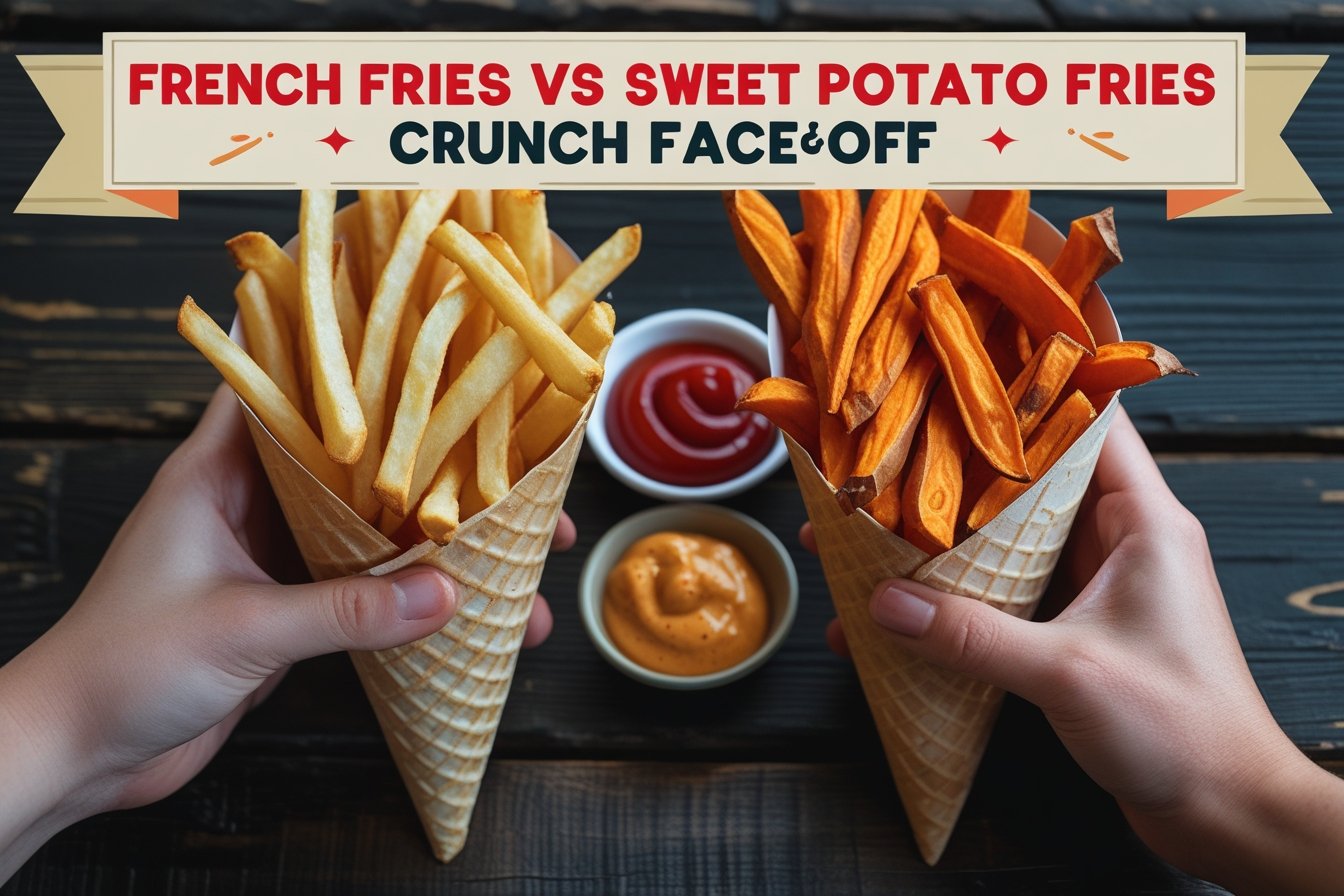
Imagine biting into a crispy fry that strikes the perfect balance between crunch and flavor, a moment worth savoring in any bite. This article dives into the epic face-off between French fries and Sweet potato fries. Whether you’re seeking a nostalgic favorite or a health-conscious twist, our comprehensive guide dissects texture, nutrition, flavor, and culinary creativity, ensuring you’re informed for your next snacking decision.
The Crunch Connection:
The sensation of a perfectly crisp fry can evoke memories of joyful moments shared over a meal. For many food enthusiasts, texture is paramount. In our Crunch Face-Off, we explore how French fries and Sweet potato fries stand up to the rigorous challenge of delivering that ideal crunch.
French fries typically boast a light, airy, and crispy exterior paired with a soft, pillowy interior. This signature texture is largely a product of the high starch content found in traditional russet potatoes. The art of frying, when done correctly, creates a harmonious contrast, making each bite satisfyingly crisp without compromising the fluffy core. Meanwhile, Sweet potato fries offer a denser bite, with a slightly chewy consistency that many find appealing. Their natural sweetness can enhance caramelization during the cooking process, producing a unique texture that balances crispness with a hearty interior structure.
Beyond the bite itself, the crunch factor often translates to a multisensory experience. The resonating sound of a freshly fried chip and its aromatic presentation play essential roles. Even slight adjustments in temperature or cooking duration can significantly alter the structural integrity of these fries, making every batch a potential surprise. Home cooks and professional chefs alike continuously experiment with variations, from thin shoestring cuts to thicker steak cuts, to perfect the auditory and tactile crunch. In this culinary debate, personal preference reigns supreme: some adore the ethereal crunch of French fries, while others celebrate the robust chew of Sweet potato fries.
Nutritional Showdown:
In today’s health-conscious environment, the nutritional profile of our favorite snacks cannot be overlooked. A deep dive into the numbers reveals a fascinating contrast in calories, vitamins, and fats between French fries and Sweet potato fries.
While both varieties deliver the satisfaction of a fried snack, their ingredients tell different nutritional stories. French fries, made from classic white potatoes, tend to have a higher starch-to-fiber ratio in many instances. They often deliver more calories in a given portion, and while they serve as a solid carbohydrate source, they may lack the extensive nutrient profile found in their alternative. In contrast, Sweet potato fries naturally extend a richer nutritional package. They are celebrated for higher levels of vitamin A, essential for supporting eye health and immune function; their intrinsic sweetness originates from naturally occurring sugars that promote caramelization rather than extreme browning.
Cooking methods significantly influence these nutritional outcomes, a baked fry will inherently differ in calorie count compared to its deep-fried counterpart. For those monitoring their lipid intake, both options offer variations, but delicate attention to portion sizes and cooking techniques is recommended. The crucial aspect is choosing the preparation method that aligns with your health goals while preserving that much-desired crunch and flavor. With balanced consumption and innovative cooking tweaks, either fry can be a delightful addition to a well-rounded meal.
A Battle of Savory Versus Sweet:
No culinary showdown is complete without a discussion about flavor, and the French fries vs Sweet potato fries debate is no exception. The flavor profile of each fry speaks volumes about global culinary traditions and current dietary trends.
The flavor of French fries is often reminiscent of golden comfort, salty, subtle, and slightly savory. Their compatibility with an array of condiments, ranging from spicy sauces to classic ketchup, has solidified their place in fast food culture. The traditional potato flavor is adaptable enough to support a variety of seasoning blends, making it an excellent canvas for both simple and gourmet recipes.
On the other hand, Sweet potato fries bring a naturally elevated sweetness that pairs beautifully with both savory and slightly pungent seasoning options. Their inherent earthiness, coupled with a gentle sugary note, allows these fries to stand independently or complement richly flavored mains. Often, they are served with dips that enhance their natural profile, such as a tangy yogurt dip or a drizzle of honey mustard. The contrast between the two flavors results in a dynamic culinary dialogue. Personal tastes, cultural backgrounds, and even mood often guide which fry emerges as the favored option in any given setting. Ultimately, it becomes a contest of tradition versus innovation, with each bite narrating its own taste story.
Dipping Delights and Culinary Creativity:
The right dipping sauce can elevate your fry experience to an art form. While the debate over which fry strikes the ideal base for a dip rages on, part of the charm lies in culinary creativity and the willingness to experiment in your kitchen.
With French fries, versatility is the name of the game. Their neutral, slightly salty flavor makes them the perfect candidate for a vast range of condiments—from the classical tang of vinegar and ketchup to more adventurous pairings like aioli or cheese-infused dips. This flexibility has sparked countless regional innovations across the globe. In various cultures, fries become a vessel for diverse flavors, drawing subtle influences from local spices and herbs.
Meanwhile, Sweet potato fries embrace their naturally sweet notes by pairing well with sauces that have a bit of a kick. A blend of spicy sriracha or a smoky chipotle dip can harmonize with the inherent caramel flavors found in these fries. Alternatively, lighter sauces that accentuate their brightness, such as a citrus-infused yogurt drizzled with a hint of lime, have become popular choices in modern fusion recipes. The result is a dipping experience that feels both familiar and refreshingly new, inviting experimentation and personalization with every meal.
Presentation and Ambience:
It’s often said that we eat with our eyes first, and this is especially true when it comes to our favorite fried snacks. The visual appeal of French fries and Sweet potato fries plays a significant role in shaping our culinary expectations.
A plate of French fries is typically characterized by its golden, uniform appearance with a hint of rustic appeal. Their consistent hue and subtle sheen can evoke nostalgia and comfort, resonating with fast-food classics across generations. Presentation may vary, but the essential elements—clean edges, a beckoning crunch, and a light dusting of salt—remain constant.
In contrast, Sweet potato fries offer a vibrant twist with their naturally reddish-orange tint. This pop of color not only enriches any dining table but also signals the nutritional benefits hidden within each bite. Innovative presentation ideas, such as serving them in a rustic ramekin or layered on a bed of greens, can transform these fries from a side dish into a centerpiece of modern culinary creativity. A well-plated fry dish is as much about taste as it is about conveying a story, a story of flavor, culture, and innovation.
Reinventing the Fry Game:
As food trends continue to evolve, so does the art of crafting the perfect fry. New methods are emerging that aim to maximize crunch while minimizing excess fat, ensuring that both French fries and Sweet potato fries remain relevant in an ever-changing gastronomic landscape.
One exciting frontier in the fry innovation space is air frying technology. Air fryers use significantly less oil while still delivering a remarkably crispy texture. For health enthusiasts looking to indulge without excess calories, this method has gained rapid popularity. Another technique is double-frying, a method widely adopted in professional kitchens to ensure that the exterior is extra crunchy while the interior remains fluffy. Moreover, seasoning innovations, such as infusing oils with aromatic herbs or spices before tossing fries, have become commonplace, allowing even traditional fries to evolve into gourmet offerings. Each innovation reflects the dedication of chefs and home cooks to redefine what a simple fry can be, merging creativity with culinary science in the most delicious of ways.
The Global Taste for Fries:
The humble fry has transcended its origins to become a global phenomenon, setting the stage for various cultural interpretations that resonate with diverse palates.
Across continents, fries are celebrated in myriad forms, each culture leaving its distinctive mark. European countries might embrace thin-cut French fries dipped in rich, herbed mayonnaise, while Latin American regions might prefer thicker cuts garnished with local spices. Sweet potato fries have also found their niche in many culinary traditions, especially in regions with a strong emphasis on indigenous ingredients and sustainable farming practices. Their adoption is reflective not only of health trends but also of an emerging commitment to improving nutritional profiles while respecting tradition.
This global mosaic enriches the fries conversation, transforming an everyday snack into a symbol of cross-cultural unity and innovation. The continual adaptation and reinterpretation of these fried delights ensure that they remain beloved on the menus of both upscale restaurants and local diners worldwide.
Conclusion:
In the ultimate crunch face-off, both French fries and Sweet potato fries bring their own signature appeal, be it through texture, nutritional benefits, or the sheer pleasure of flavor. Our exploration shows that each fry type has a place on our plates, inviting personal preference, culinary experimentation, and above all, the joy of a well-crafted snack.
FAQs:
1. Which fry is crunchier, French or sweet potato?
French fries often have a lighter, crispier texture, while sweet potato fries provide a denser, slightly chewy bite.
2. Are sweet potato fries healthier than regular French fries?
Sweet potato fries offer more vitamins, especially vitamin A, but both types can be enjoyed in moderation.
3. What cooking method produces the best crunch?
Double frying or air frying can maximize crunch for both fry varieties.
4. Can I pair different dips with each type?
Yes, French fries pair well with classic condiments, while sweet potato fries excel with tangy or spicy dips.
5. How do the calorie counts compare?
Generally, sweet potato fries may have slightly different calorie counts depending on the cooking method, but portion size is key.
6. Do presentation and color matter?
Absolutely—presentation enhances your dining experience, and sweet potato fries offer a vibrant twist to traditional looks.